Exterior coating inspection checklist
- Siding, stucco, masonry, trim and previously coated surfaces
- Peeling, chalking, mildew, open joints and failed sealant
- Rot or movement that paint cannot correct
- Bare areas and the primer required for each substrate
- Weather window, masking, landscaping protection and cure time
Identify why the coating failed
Peeling can result from moisture, poor adhesion, incompatible coatings or movement. The estimator should inspect the substrate and nearby joints instead of assuming a new coat will solve the original cause.
Put repairs before finish work
Cleaning and dry time come before scraping, sanding and spot repairs. Failed caulk, loose trim and deteriorated material should be addressed before primer and paint so the proposal distinguishes repair work from coating work.
Match the product to conditions
Product, sheen, application method and number of coats should be written into the scope. Temperature, surface moisture, direct sun and forecast conditions affect scheduling and cure time, so the work plan should follow the selected manufacturer's instructions.
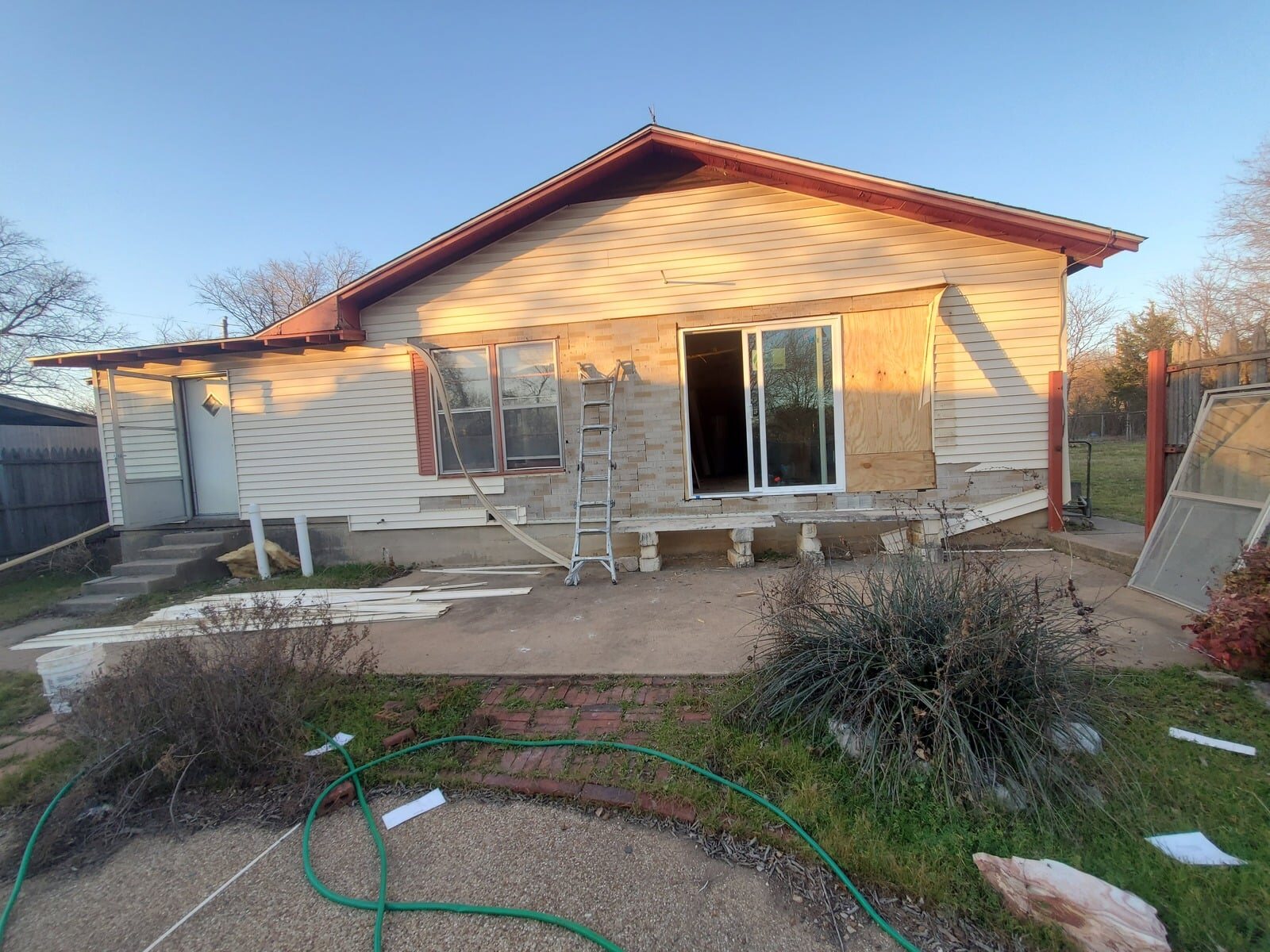
The image documents completed Luna exterior work in DFW and is not represented as the exact Southlake property discussed in this guide.
What to inspect
Identify whether surfaces are wood, fiber cement, masonry, metal or previously coated material.
Planning the work
Use compatible primer where bare, repaired or stained areas require it.
Avoiding repeat problems
Sheen, color, joint movement and moisture sources should be considered before the finish coat is applied.
Related Local Service
Frequently Asked Questions
Should this work be inspected in person?
Yes. Site conditions, access, materials and hidden damage can change the correct scope.
Do you provide estimates in Southlake?
Yes. Call (817) 784-5998 to discuss the project.