Cabinet rebuild assessment checklist
- Water source corrected and affected area ready for reconstruction
- Swelling, delamination, staining and cabinet-box stability
- Toe kicks, backs, end panels and concealed wall or floor areas
- Door style, finish and replacement-component availability
- Countertop, sink, plumbing, electrical and flooring sequence
Wait until the loss is ready for rebuild
Cabinet work should begin after the source is corrected and the affected area has been evaluated for reconstruction. New finishes installed too early can conceal continuing moisture or create another round of removal.
Separate cosmetic damage from material failure
Doors or trim may be refinishable while swollen composite cabinet boxes are not. The assessment should examine structural stability, delamination, odors and finish availability instead of deciding from the front face alone.
Plan connected removals carefully
Countertops, sinks, plumbing, backsplashes and flooring can limit access to the damaged cabinet. The scope should identify removal risks, reusable items, finish matching and trade sequence before promising a partial repair.
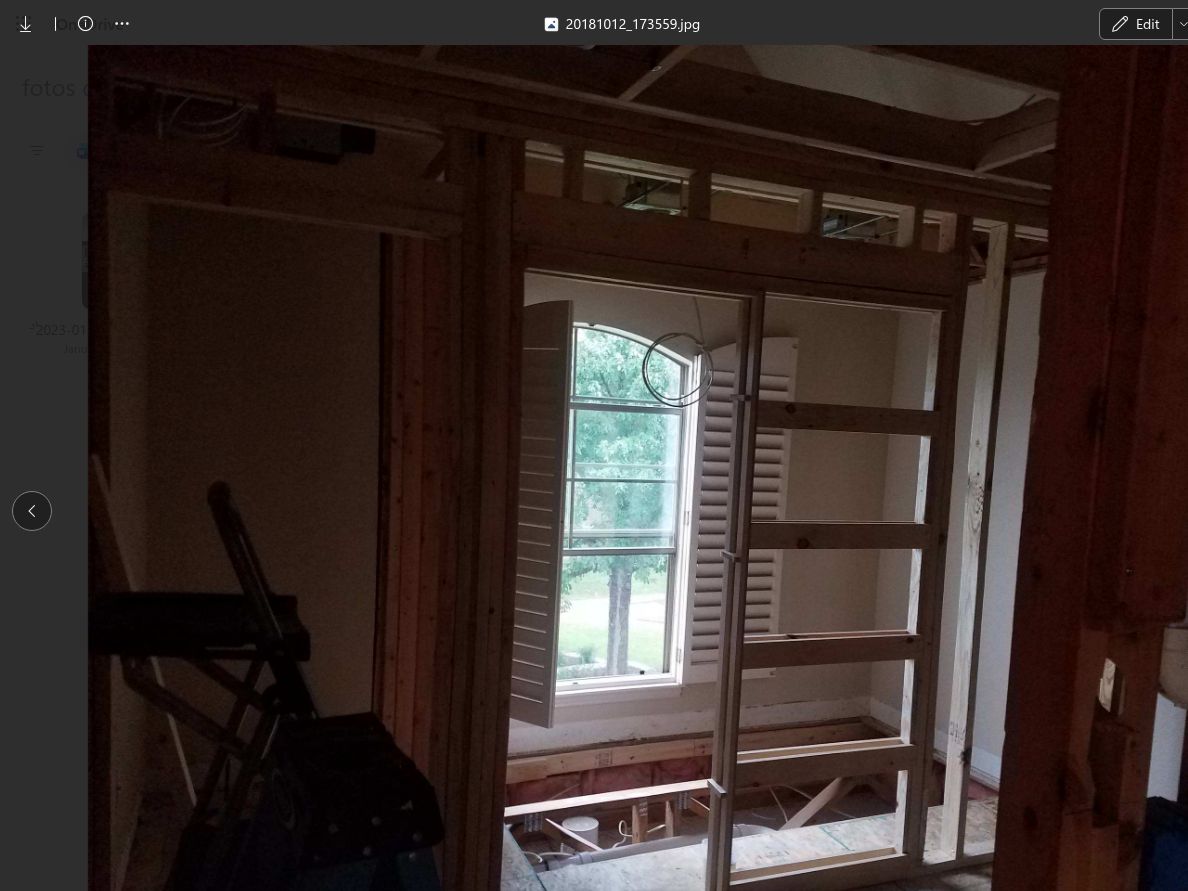
The image verifies Luna reconstruction experience in DFW. It is not represented as the Lewisville cabinet loss described in this guide.
What to inspect
Confirm the water source is corrected and surrounding cavities are ready for reconstruction.
Planning the work
Face frames, doors and finishes may sometimes be saved even when cabinet boxes require replacement.
Avoiding repeat problems
Countertops, plumbing and flooring connections should be included in the repair sequence.
Related Local Service
Frequently Asked Questions
Should this work be inspected in person?
Yes. Site conditions, access, materials and hidden damage can change the correct scope.
Do you provide estimates in Lewisville?
Yes. Call (817) 784-5998 to discuss the project.